Be Seagrass Safe.
Learn how to keep seagrass beds healthy.
What is Seagrass Scarring?
Seagrass scarring is caused by boats entering shallow waters, causing the propeller to come into contact with seagrasses. This creates damage as the propeller slashes into the bottom, where crucial root systems are. Recovery and growth of seagrasses in these scarred areas takes years, and if the damage is repeated, the seagrass bed may never completely recover. Scarring also leaves seagrass beds vulnerable to storms and other forms of erosion. In south Florida, over 30,000 acres of seagrass have been scarred by boat propellers.
Seagrass scarring hurts:
- Boating – Running aground can cause damage to your boat and require expensive towing assistance.
- Fishing – Seagrass beds are essential nursery and feeding grounds for many sport fish species.
- You – Boating enjoyment for you and future generations relies on your actions today.

What Can You Do?
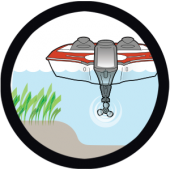
Avoid
Whenever possible, avoid seagrass beds and utilize navigation channels or deeper water while under power.
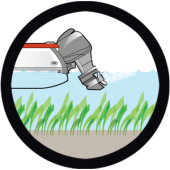
Trim
If over seagrass beds in shallow water, be sure to trim your motor up and idle to a safe depth before getting on plane.
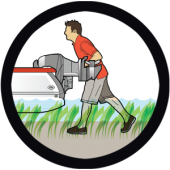
Push
If aground, do not proceed under power. Turn off and trim up your motor, and while wearing protective footwear push the boat to a safe depth.
Why Protect?
For the Ecosystem
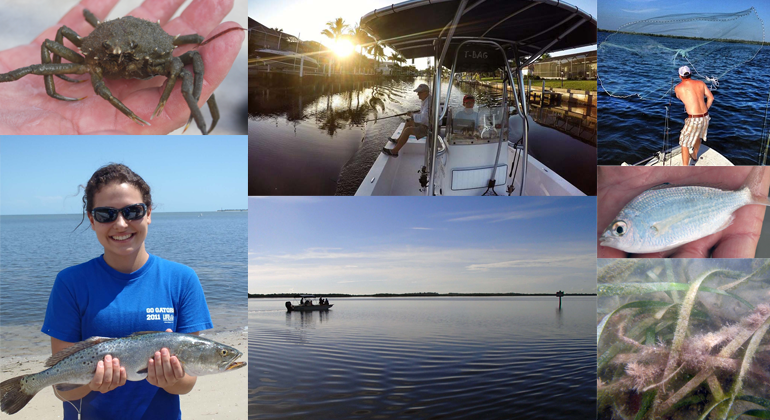
Seagrass provides essential food, habitat and nursery areas to fish species and countless invertebrates living within its ‘community’.
For the Water
Seagrasses trap fine sediments and particles that are suspended in water, increasing water clarity.
For the Economy
The economic value of seagrass can be measured through other industries like commercial and recreational fishing and nature/wildlife tourism–all of which rely on this habitat to survive.
Healthy Seagrass = Healthy Ecosystem
Here’s a few examples of what that looks like.