Why? Great question.
Here are some even better answers…
For the Ecosystem
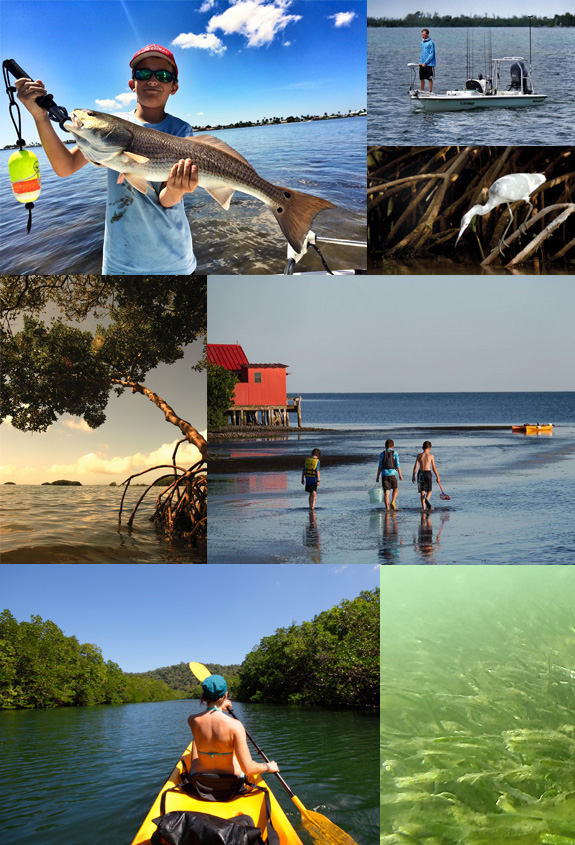
Seagrass provides essential food, habitat and nursery areas to fish species and countless invertebrates living within its ‘community.’ While some fish can be found in seagrasses throughout the year, others rely on seagrass beds only during certain, yet critical, life stages using it for cover from predators. From being used as a good source to a nursery area or as part of their overall habitat, the role of seagrass beds are not to be under-appreciated or taken for granted.
For the Water
Seagrasses help trap fine sediments and particles that are suspended in water which increases water clarity. Without it, these sediments are often stirred by wind and waves, decreasing water clarity, affecting marine animal behavior and contributing to a general decrease in the recreational quality of coastal areas. Seagrasses also work to filter nutrients that come from land-based industrial discharge and stormwater runoff before these nutrients are washed out to sea and to other sensitive habitats such as Coral reefs.
For the Economy
The economic value of seagrass can be measured through other industries like commercial and recreational fishing and nature/wildlife tourism –all of which rely on this habitat to survive. Since approximately 70% of Florida’s fish species spend at least part of their life cycle within seagrass communities, it is easy to see how vital they are to the survival of these industries.